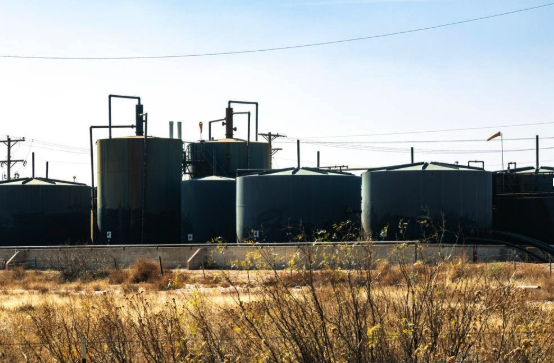
Exxon Mobil is facing legal action from the state of California for contributing to global plastic pollution and tricking the public into the adequacy of its recycling methods. Following a two-year inquiry into this matter, the lawsuit was filed by Rob Bonta, claiming that Exxon's promotion of 'advanced recycling' has escalated the plastic waste crisis and calling for accountability.
Exxon Mobil is accused of misleading the public about its advanced recycling technology called pyrolysis that promises to transform hard-to-recycle plastic into energy. California’s investigation revealed that the technology’s slow progress and limited success contradicted Exxon’s claims, exacerbating the plastic pollution. The state seeks civil penalties and an abatement fund to address the environmental harm caused.
Exxon denies the allegations, defending its recycling efforts and referencing its processing of more than 60 million pounds of plastic waste. The firm states that California's recycling infrastructure has issues and teamwork would yield better results than legal action. Environmental groups have praised the lawsuit as an important measure to hold the industry accountable.
The action against Exxon raises many important legal issues.
California’s lawsuit centers around public nuisance law. Public nuisance claims generally involve actions that reasonably interfere with an individual's or group's rights, such as causing harm to public health or natural resources. In this case, California argues that Exxon's incorrect claims regarding advanced recycling have resulted in a public nuisance that contributes to plastic pollution.
The law surrounding public nuisance is highly complicated, and courts frequently hesitate to grant relief in these matters because the claims often are vague and wide-ranging. As Professor Bruce Huber from Notre Dame Law School noted, California may face an “uphill battle” because public nuisance claims can be difficult to prove in environmental cases, especially when the harm is widespread and multifaceted.
This case highlights serious concerns about businesses' duty to deal with environmental matters. Companies like Exxon have long been criticized for their role in climate change and environmental degradation, but this case highlights a specific aspect of that criticism: claims of misinformation related to recycling activities.
The suit filed in California argues that Exxon intentionally misrepresented the capabilities of its recycling systems to consumers. Should it be established that this is true, it could constitute a violation of consumer laws against misleading advertisements and fraudulent business activities. The lawsuit could force Exxon and other organizations to clarify the limitations of recycling and the true environmental impact of their products.
The case is part of a broader trend in which companies are being held accountable for environmental deception, similar to how tobacco companies were sued for misleading the public about the health risks of smoking. By focusing on Exxon’s alleged deception, California’s lawsuit may help set a precedent for future cases against corporations contributing to environmental harm.
If the court finds Exxon at fault for the environmental harm from plastic debris, it may incur heavy financial penalties. These could include creating an abatement fund to address the impact of plastic waste and imposing civil fines for deceptive statements.
Victory for California could set a precedent for future lawsuits targeting other businesses in the plastics and petrochemical fields. Similar lawsuits may prompt various states to take action encouraging a surge in legal efforts to ensure corporations take responsibility for their plastic pollution.
The case may lead to increased scrutiny of corporate claims about recycling and sustainability. Companies may be required to provide more accurate and transparent information about the effectiveness of their environmental initiatives, particularly concerning plastic waste.
California's prosecution of Exxon Mobil is a key achievement in the battle against plastic pollution. By examining the alleged deceit related to advanced recycling practices, the lawsuit highlights the more significant issue of companies taking responsibility for ecological harm. If successful, the lawsuit could establish stricter rules for the plastics industry and improve transparency in what companies say about their eco-friendly practices.
If you or your organization are concerned about the legal implications of environmental regulations or corporate accountability, it is essential to consult with an attorney. Legal experts can help navigate the complex legal landscape and ensure compliance with evolving environmental standards.