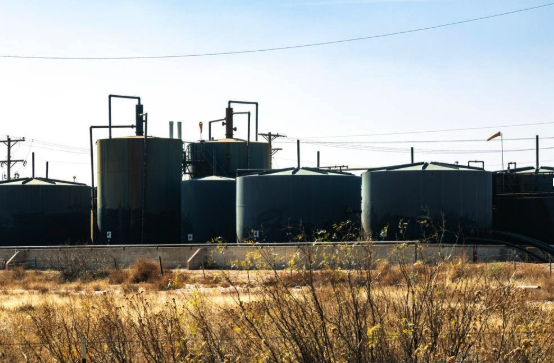
The recent fire at the BioLab facility in Conyers, Georgia, prompted evacuations and shelter-in-place orders and raised concerns about air quality, highlighting the legal consequences of industrial accidents. The case contributes to ongoing debates about corporate accountability, environmental protection, and health dangers. Understanding the legal dynamics at play is important for addressing the short—and long-term repercussions of such events.
A fire broke out at the BioLab plant in Conyers, Georgia, known for manufacturing pool and spa treatment products, on Sunday, September 29, 2024. The issue arose when water from a faulty sprinkler came in contact with a water-reactive chemical, releasing harmful chlorine into the air. Local officials issued evacuation orders for about 17,000 residents and businesses near the plant out of fear for air quality and possible health risks from chlorine exposure.
At first, the fire was contained, but it reignited hours later and eventually caused the collapse of the building's ceiling. Even though the fire was completely extinguished and there were no injuries to staff, the chemical plume still endangered the air quality. Federal and state agencies, including the Environmental Protection Agency (EPA), monitored the air quality at the site and in nearby areas while recommending residents stay inside. Even though the EPA concluded that the air quality had returned to safe levels, the fire left enduring consequences for the region, both environmentally and legally.
This fire at the BioLab facility opens the door to numerous legal issues, ranging from environmental liability to worker and public safety concerns.
The fire at BioLab raises major legal issues regarding environmental liability. The release of dangerous chemicals into the air poses legal challenges to BioLab and its parent company, KIK Consumer Products. Chlorine, a toxic substance, poses significant health risks when inhaled, and the EPA’s air quality monitoring detected harmful levels of irritants in the surrounding area.
Under federal laws like the Clean Air Act, companies must observe rigid standards to maintain air quality and protect the health of communities. If BioLab is found to have violated these regulations, it may face sanctions, including fines and mandated safety upgrades to its facilities.
Individuals who were exposed to the dangerous chlorine plume can file toxic tort claims against BioLab. Such lawsuits allow plaintiffs to claim damages arising from health issues caused by toxic chemicals. People experiencing eye irritation, respiratory difficulties, or other health complications due to the chemical release might seek compensation for their healthcare costs and other damages.
If investigators find that BioLab failed to maintain its equipment or comply with safety protocols, the company could be held liable for negligence. The recurrence of similar incidents, such as the fire in 2020 at the same facility, strengthens the case for corporate negligence, potentially leading to significant legal repercussions.
Companies have a duty to alert the public about potential dangers posed by their operations. Should it be proved that BioLab did not properly inform the residents about the dangers of chlorine exposure after the fire, legal action may be pursued. Any delay in notifying the community or failure to communicate clear evacuation and shelter-in-place instructions could lead to lawsuits.
In cases involving dangerous substances, promptness and effectiveness of emergency actions are key to minimizing harm. If the investigation reveals that BioLab and local agencies did not react quickly enough to the incident, victims could file lawsuits arguing that the company’s emergency response protocols were insufficient.
Affected residents could also pursue claims for ongoing health issues caused by toxic chemical exposure. Individuals exposed to the chlorine plume might seek legal action that requires BioLab or its parent company to pay for future medical costs.
BioLab could face investigations and potential fines if it is discovered to have broken OSHA regulations concerning chemical management, fire safety, or emergency response protocols.
If the fire is determined to have resulted from inadequate safety measures, the company may be required to improve its safety procedures.
Workers may file a claim seeking workers' compensation for injuries sustained from the fire or chemical exposure. In more severe cases, employees could also file lawsuits if they believe BioLab’s negligence directly contributed to their injuries.
The fire at BioLab in Georgia brings up important legal issues related to environmental security and corporate negligence. As the investigation continues and potential lawsuits emerge, the incident could have long-term consequences for BioLab and the chemical manufacturing industry.
Individuals affected by the fire, including residents, workers, and nearby businesses, should consider consulting with an attorney to understand their legal rights and pursue compensation if necessary. Legal professionals can provide essential guidance on navigating the complexities of environmental law, workplace safety regulations, and personal injury claims in the aftermath of such incidents.