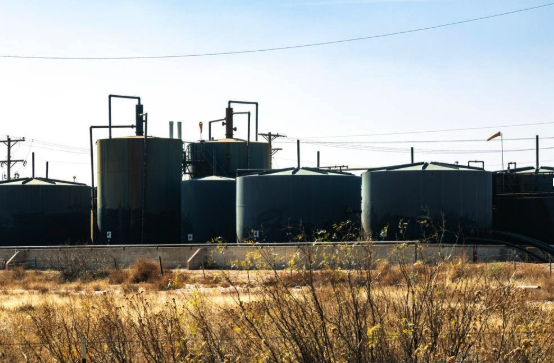
In a shocking incident on a Sunday evening, an explosion rattled the Archer Daniels Midland (ADM) Company plant in Decatur, Illinois, leaving at least eight individuals injured. The cause of this devastating explosion remains unknown, leaving authorities and the public seeking answers. Beyond the immediate impact on the individuals involved, this incident raises critical legal questions and potential ramifications. In this blog post, we delve into the potential legal impact and aspects to watch closely from a legal perspective.
The first and foremost aspect following such an incident is the investigation into its cause. Legal authorities, including regulatory bodies and law enforcement, will conduct a thorough investigation to determine the root cause of the explosion. Factors such as equipment malfunctions, human error, safety protocols, or potential negligence will be closely examined. Depending on the findings, liability could fall on the company, its employees, or even third-party entities involved in plant operations.
Injuries sustained by employees in the explosion prompted discussions about worker compensation and insurance claims. Employees injured in the incident may be eligible for workers' compensation benefits, which cover medical expenses, rehabilitation, and lost wages. Additionally, the plant's insurance policies may come into play to cover damages, medical expenses, and potential legal claims filed by the injured workers.
Every employer is obligated to provide a safe working environment for their employees. If investigations reveal lapses in safety protocols or inadequate measures to prevent such incidents, the company may face legal consequences. This could involve lawsuits filed by injured employees or their families, seeking compensation for damages, pain and suffering, and other related expenses.
Government agencies, such as the Occupational Safety and Health Administration (OSHA), will play a crucial role in investigating the explosion. They will assess the plant's compliance with safety regulations and guidelines. If violations or non-compliance are identified, the company may face penalties, fines, or even criminal charges.
Beyond the legal aspects, an incident of this magnitude affects the local community and environment. Legal repercussions may extend to environmental regulations if the explosion caused environmental damage, pollution, or any harm to neighboring communities. Government agencies will closely monitor the environmental impact and hold the company accountable for any violations.
The fallout from such an incident goes beyond the legal realm and impacts the company's public image. Maintaining transparency, accepting responsibility, and demonstrating a commitment to preventing future incidents are crucial in managing the public relations fallout. Legal experts and crisis communication specialists may advise on the best way to navigate these challenges.
The Illinois processing plant explosion serves as a grim reminder of the potential legal consequences and challenges that follow industrial accidents. As investigations unfold and details emerge, the legal landscape surrounding this incident will become clearer. Stakeholders, including the affected employees, their families, the company, and regulatory bodies, will be closely watching and engaging in legal actions to seek justice, ensure safety measures, and prevent similar tragedies in the future.
If you or a loved one have been directly impacted by the Illinois processing plant explosion, seeking legal consultation is crucial to understand your rights and potential avenues for legal recourse. A knowledgeable lawyer can provide valuable insights, assess the specifics of your situation, and guide you through the legal process, ensuring your interests are protected in the aftermath of this tragic event. Don't hesitate to reach out to a qualified attorney to discuss your case and explore potential legal actions.